Toxic Mold Removal in Roberts, WI
Mold is removed from drywall, insulation and affected surfaces in your Roberts property. Call 24/7 to arrange your assessment and cleanup.
- Moisture and damage checked
- Containment with HEPA filtration
- Cleanup based on site conditions
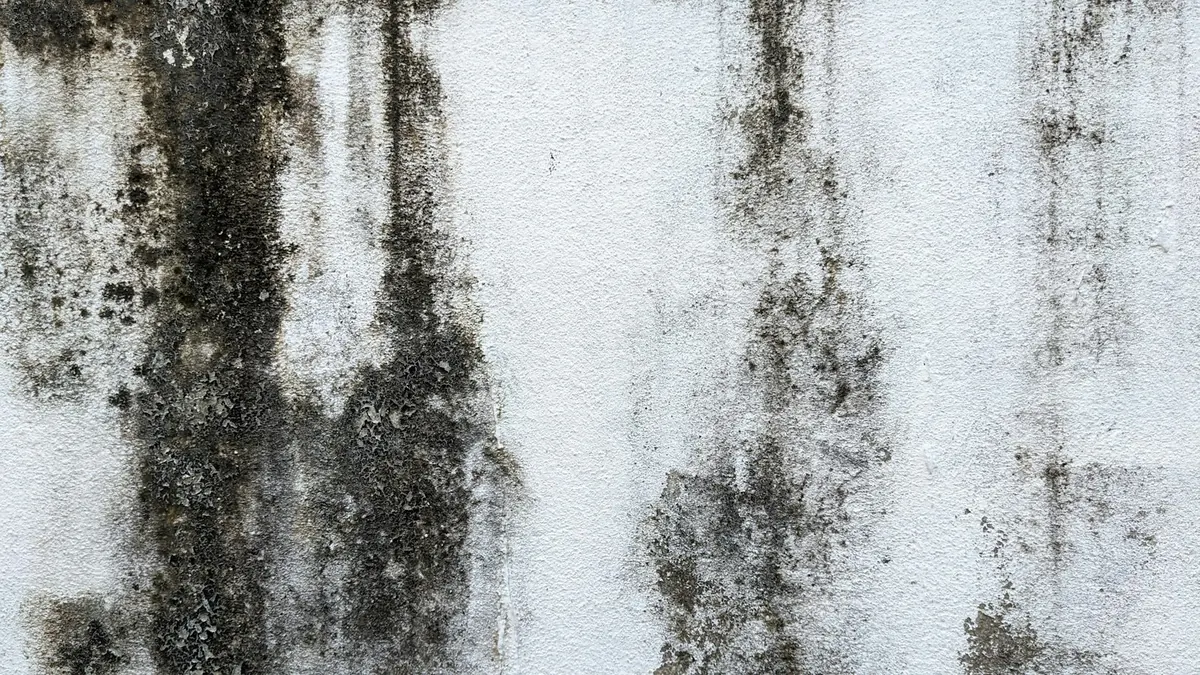
Understanding Toxic Mold Removal Services in Roberts
Your walls, ceilings and concealed damp areas are included in cleanup. Sound framing is cleaned and dried, as are non-porous surfaces. Removal of damaged drywall or insulation takes place when needed.
The labels toxic mold and black mold describe searches, not a finding of danger. Your cleanup follows moisture conditions and damage. According to CDC, the color of mold does not show how risky it is.
Your mold inspection traces water intrusion. A written scope of work defines containment, cleaning and separate repairs. Mold types such as Stachybotrys chartarum do not establish your individual risk.
- Moisture assessment behind visible growth
- Contained drywall and insulation removal
- Hard surfaces and sound wood cleaned
- HEPA filtration during controlled work
- Drying and post-remediation verification
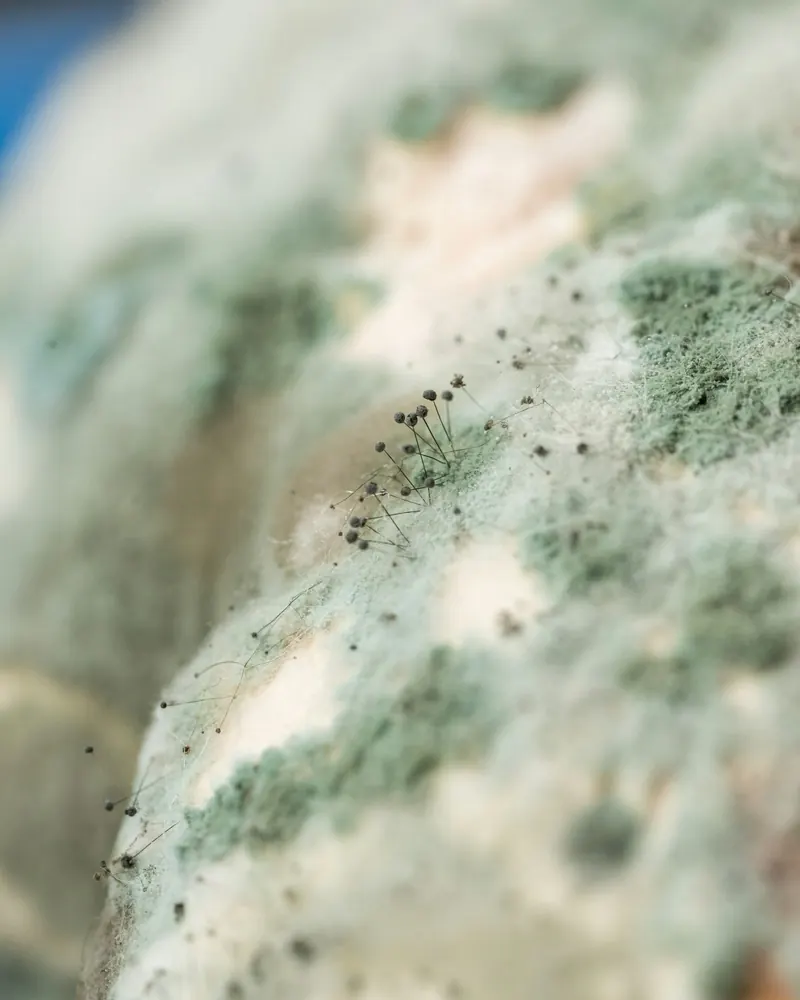
Recognizing a Need for Toxic Mold Cleanup
You need an assessment for damp materials, returning growth or musty smells, whatever the mold's color.
Spots Returning After Cleaning
An unresolved moisture issue accompanies patches reappearing on your wall.
Leak-Related Concerns About Toxic Mold
Following roof or plumbing water intrusion, your walls stay wet and show growth.
Musty Odor in Adjacent Rooms
Near shared walls, smells that linger can occur with hidden growth.
Dark Growth on Drywall
Patches near pipes, baseboards or ceiling joints can accompany hidden dampness.
Soft Wallboard or Peeling Finishes
Swelling in your drywall and damage on ceiling tiles may signal a need for removal.
Understanding Toxic Mold Removal in Roberts
For your removal work, the sequence is assessment, cleanup under containment, then verification.
Mold Inspection and Moisture Mapping
Assessment covers neighboring rooms and visible growth. A moisture meter checks damp materials and helps locate hidden damage.
Moisture Source and Work Scope
Condensation and leaks are traced to sources. Before removal begins, your scope identifies affected materials, separate repairs and moisture corrections.
Toxic Mold Containment
Poly sheeting makes up the containment barrier. Protective equipment helps restrict mold spores spreading alongside a HEPA air scrubber and negative air pressure.
Controlled Drywall Removal
Inside containment, bagging covers drywall, insulation and other porous materials that cannot be saved. The cleanup crew protects your debris route.
Cleaning Retained Surfaces
Surface cleaning and HEPA vacuum cleaning are used on intact framing and hard surfaces. Antimicrobial treatment does not replace mold removal.
Drying and Moisture Control
Retained materials dry with drying equipment such as a dehumidifier and, where appropriate, controlled air movers. Along with moisture correction, moisture readings monitor progress.
Verification Before Reopening
Before dismantling containment, the cleaning and drying receive checks. An independent assessor performs clearance testing when specified; replacement materials follow verification.
Why Choose Minneapolis Mold Removal Services When You Need Toxic Mold Removal
Removal Through Final Checks
Before dismantling containment, finish the agreed verification along with cleaning and drying.
Contained Removal and HEPA Filtration
During removal, particle spread is limited by containment plus protection along the debris route.
Moisture Before Replacement Finishes
Before wall repairs cover damp areas, the moisture corrections are specified.
24/7 Call Answering for Toxic Mold Cleanup
One number starts your assessment across the metro, including nights and weekends.
Clear Scope for Toxic Mold Concerns
The condition of your materials determines scope without using color as a danger indicator.
Your Steps Before Toxic Mold Cleanup in St. Croix County
Do not disturb affected materials while you schedule assessment.
- Leave damaged walls intact. Avoid scraping growth, sanding stains or removing any drywall.
- Keep Everyone Outside the Work Area. Affected materials should remain off limits to pets and children.
- Avoid wet electrical equipment. Avoid standing water beside wiring, appliances or electrical outlets.
- Keep suspect HVAC equipment off. According to EPA, mold can spread throughout your building from a contaminated system.
- Avoid blowing air across growth. Do not aim a household fan at moldy materials or into an opened wall.
Toxic Mold Removal Cost in Roberts
Access and damage shape what you pay. The figures shown are national costs for black mold work and remediation in general, not a special toxicity category. Inspection differs from cleanup as a service, and you should use removal ranges as alternatives, never as a combined total.
Black mold (Stachybotrys chartarum), average removal
$800 to $7,000 per jobSource: Fixr, Mold Remediation Cost (checked 2026-10-23)Black mold inspection
$600 to $800 per inspectionSource: Fixr, Mold Inspection Cost (checked 2026-10-23)Typical national range, average $3,500
$1,500 to $9,000 per jobSource: Fixr, Mold Remediation Cost (checked 2026-10-23)Factors Affecting Your Toxic Mold Cleanup Cost
- Material removal and disposal
- Containment and HEPA filtration
- Affected area and rooms
- Access to hidden growth
- Drying, testing and separate repairs
Your Property Cleanup Price
These published national ranges are planning figures. Your on-site assessment defines the work and price before cleanup starts, including any separate source repairs or rebuilding.
Call (844) 352-3560 about costToxic Mold Removal Service Area Across Greater Minneapolis
Call (844) 352-3560 to arrange cleanup in Roberts or nearby communities. One number covers the metro.
Toxic Mold Removal in Locations Near Roberts
ZIP codes
Common Questions About Toxic Mold Removal in Roberts
Is toxic mold testing needed before removal in Roberts?
Visible mold usually does not need air sampling under EPA guidance. Your assessment identifies moisture, affected materials and growth. A specific question about your site may warrant mold testing, but your individual response is not predicted by lab results. Clearance testing, when required by the scope, comes from an independent assessor. There is no federal indoor mold limit.
In St. Croix County, what is your toxic mold remediation cost?
Containment, concealed damage, affected rooms and access for removal determine your price. National black mold work and general remediation figures appear in the cost cards, which name sources and units. Assessing your property determines the scope of the actual cleanup. Testing, leak repair and rebuilding are included only when listed in that scope.
Will mold come back after removal?
If dampness persists, mold may grow again. Your cleanup starts with tracing leaks, condensation and damp cavities. Your scope defines moisture corrections, and surfaces kept in place receive cleaning and drying. Drying and verification precede replacement insulation and drywall, preventing new materials from concealing unresolved dampness.
How long should you allow for cleanup within containment?
Your schedule follows the affected rooms, materials and access. More work goes into damp drywall removal and cavity drying than into cleaning a hard surface you can reach. Drying duration follows moisture readings; containment removal waits for final checks. Separate repairs can extend the time before normal room use.
Are moisture problems corrected during cleanup?
The moisture source is found at assessment; the necessary corrections are specified ahead of cleanup completion. Repairs to ventilation, roofing or plumbing are included only if your scope names them. Separate repair work is identified before removal starts, so drying and replacement finishes follow correction of the conditions that allowed growth.
During cleanup, is it possible to keep living at the property?
You may be able to stay when occupied rooms remain separate from containment and the debris route. That choice depends on household needs, shared ventilation and access to your bathroom. Temporary relocation is necessary on some jobs. Your assessment establishes restrictions before removal; reopening follows cleaning, drying and agreed final checks.
What has to come out during black mold cleanup?
Removal may be necessary for damaged insulation, drywall, carpet and ceiling tiles. Sound wood and accessible hard surfaces can often be cleaned and dried. Your scope reflects how much growth is present and the condition of materials. Whether your whole wall needs replacing cannot be decided from a black stain alone.
Insurance and Toxic Mold Cleanup in Wisconsin
The moisture source and your homeowners insurance terms determine coverage, including exclusions, the deductible and mold limits. A decision on cleanup may differ from a decision on repairs.
Your Toxic Mold Concerns and Cleanup Safety in Greater Minneapolis
Removal uses containment to limit escaping particles. Assessing conditions in your property does not predict your personal response to mold.
Recent Water Damage
EPA says to dry water-damaged areas and items within 24 to 48 hours to prevent mold growth.
Mold and Sensitive People
CDC notes that mold can trigger allergy and asthma symptoms in some people.
People at Greater Risk
According to CDC, weak immune systems, lung disease or asthma put people at greater risk.
Toxic Mold and Surface Treatments
According to EPA, mold must not merely be killed. Removal remains important because even dead mold may trigger allergic reactions.
Cleanup scope: According to EPA, homeowners can often clean areas smaller than about 10 square feet. Larger areas, HVAC systems, sewage or contaminated water call for professional assessment.
Which Materials Are Cleaned or Removed in St. Croix County
Your materials stay or go based on their condition. Mold color by itself cannot set the amount of wall or flooring removed.
Non-Porous Surfaces
- Cleaning covers metal, glass and glazed tile when reachable; assessment treats backing and joints separately.
Wood Framing
- Wood in sound condition receives cleaning and drying. Keeping deteriorated framing requires an assessment of needed repairs first.
Porous Materials
- Moldy drywall, insulation, ceiling tiles, carpet and padding may need removal; damaged material is bagged within containment.
Toxic Mold Cleanup Timing in St. Croix County
Your timing depends on access, damage hidden from view and drying conditions.
- Hidden damage: Your removal scope may change when opening cavities exposes further affected material.
- Drying progress: Moisture readings from materials establish when wall closure and finish installation can proceed.
- Completion checks: Moisture repairs and agreed verification affect when the area reopens.
Toxic Mold Remediation in St. Croix County: Odor Afterward
Check for lingering dampness if you still notice musty smells. Fragrance cannot correct moisture or remove mold.
Your mold can return when a water problem is left unresolved, so moisture correction matters. Keep indoor relative humidity below 60 percent as EPA recommends, ideally between 30 and 50 percent.
Requirements for Toxic Mold Work in Wisconsin
Toxic Mold Cleanup Requirements
The Wisconsin Department of Health Services says neither the federal government nor DHS certifies consultants or contractors for mold investigation or removal. It advises reporting anyone who claims state certification to the state consumer protection agency (DATCP). If you are hiring someone, ask about their training and experience, and check your local contractor rules.
EPA Guidelines for Drying
Dry water-damaged areas and items within 24 to 48 hours to prevent mold growth.
Repair Permits
The included electrical, structural, plumbing or demolition tasks shape your permit requirements.
State Mold Information
The Wisconsin Department of Health Services, Division of Public Health, has a mold page covering prevention, cleanup, tenant issues, and hiring a contractor. You can reach DHS at 608-266-1120 or through your local health department.
State guidance: Wisconsin DHS: Mold; Wisconsin DHS: Hiring a mold consultant or contractor; Wisconsin DHS: Mold information for tenants and landlords
Related Services and Next Steps
Start Your Toxic Mold Removal in Roberts
Call 24/7 to arrange your assessment. Your cleanup starts with the affected surfaces, moisture source and access to your home.